
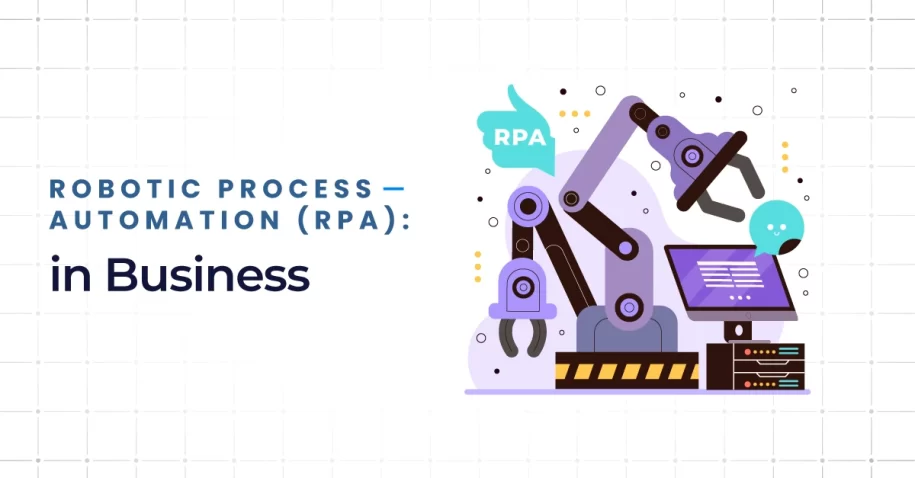
In today’s hyper-digital economy, businesses are under constant pressure to enhance speed, reduce costs, and maintain accuracy across every aspect of their operations. One of the most effective ways to achieve these goals is through Robotic Process Automation (RPA) — a transformative technology that automates repetitive, rule-based tasks. By combining the precision of software bots with the flexibility of existing systems, RPA has become a cornerstone of streamlined operations for organizations of all sizes.
What is Robotic Process Automation?
At its core, RPA (Robotic Process Automation) is the use of software bots to automate repetitive tasks traditionally performed by humans. These bots interact with digital systems and applications just as employees do—entering data, processing transactions, generating reports, or responding to simple queries. But unlike humans, RPA bots work 24/7 without fatigue, distractions, or errors.
Through RPA technology, businesses can minimize human error, eliminate bottlenecks, and free their employees to focus on more strategic, high-value initiatives. For industries that depend heavily on precision, compliance, and efficiency—like finance, healthcare, and logistics—RPA is no longer a luxury but a necessity.
How Robotic Process Automation Works
RPA bots are built using specialized RPA platforms that record user actions or follow a programmed sequence to mimic human interactions with software systems. These bots can read structured data, navigate interfaces, and trigger automated workflows. Unlike older automation scripts, RPA can integrate across legacy systems, ERP platforms, and cloud applications through secure APIs or GUI-level automation.
When integrated with tools like machine learning and AI, RPA becomes even more powerful—adapting to variable data patterns and enabling intelligent decision-making. For example, a rpa bot could analyze invoice details, extract relevant data, and flag inconsistencies automatically, improving financial accuracy while minimizing delays.
RPA vs. AI: Understanding the Difference
While often used together, RPA and AI serve different purposes. RPA automates rule-based, repetitive actions that don’t require learning or judgment, whereas AI learns from data and adapts to new patterns. Think of RPA as the hands performing defined actions, and AI as the brain analyzing and optimizing those actions.
When combined, they form an intelligent ecosystem where RPA automates the routine and AI enhances decision-making. For example, in a financial services setting, RPA can process thousands of transactions daily, while AI detects anomalies and recommends adjustments.
Why Businesses Are Adopting RPACost Reduction
One of the most immediate RPA benefits is its ability to cut operational costs. By automating high-volume processes such as accounts payable, invoice validation, or data entry, companies can reduce staffing expenses and virtually eliminate the rework caused by errors. The result is leaner, more agile business operations that save both time and money.
Efficiency, Accuracy & Speed
Unlike human workers, RPA bots never need breaks. They operate continuously, ensuring streamlined operations around the clock. Their precision reduces the risk of human error, leading to faster turnaround times and consistent quality—especially critical in finance and accounting, compliance, and reporting environments.
Scalability, Compliance & Auditability Benefits
As businesses grow, RPA for business scales effortlessly without additional hiring. Automation also enhances compliance by generating accurate logs and maintaining complete visibility across transactions. These audit trails make regulatory reviews and financial audits faster and more reliable.
Common Business Use-Cases for RPA
1. Finance & Accounting
RPA excels in finance and accounting, where it can automate accounts payable, reconciliation, expense validation, and reporting. For example, a bot can extract data from invoices, match it against purchase orders, and flag discrepancies for review. These RPA use cases for finance HR not only enhance accuracy but also improve cash flow visibility.
2. Human Resources
Within HR, RPA simplifies onboarding, payroll, attendance tracking, and employee record management. It can automate repetitive administrative work, allowing HR teams to focus on strategic development and employee engagement.
3. Customer Service
RPA enhances customer service by handling routine inquiries, password resets, and account updates through chatbots or automated emails. This ensures faster response times and improved satisfaction while freeing agents to focus on complex customer needs.
4. Supply Chain & Logistics
In supply chains, RPA accelerates order tracking, shipment management, and vendor coordination. When paired with cloud integration and automation IT support, it creates end-to-end visibility across systems, improving inventory control and reducing delivery delays.
5. Healthcare
Healthcare organizations use RPA solutions to manage patient records, billing, insurance claims, and compliance documentation. This automation ensures greater accuracy while reducing administrative workloads—ultimately allowing medical staff to dedicate more time to patient care.
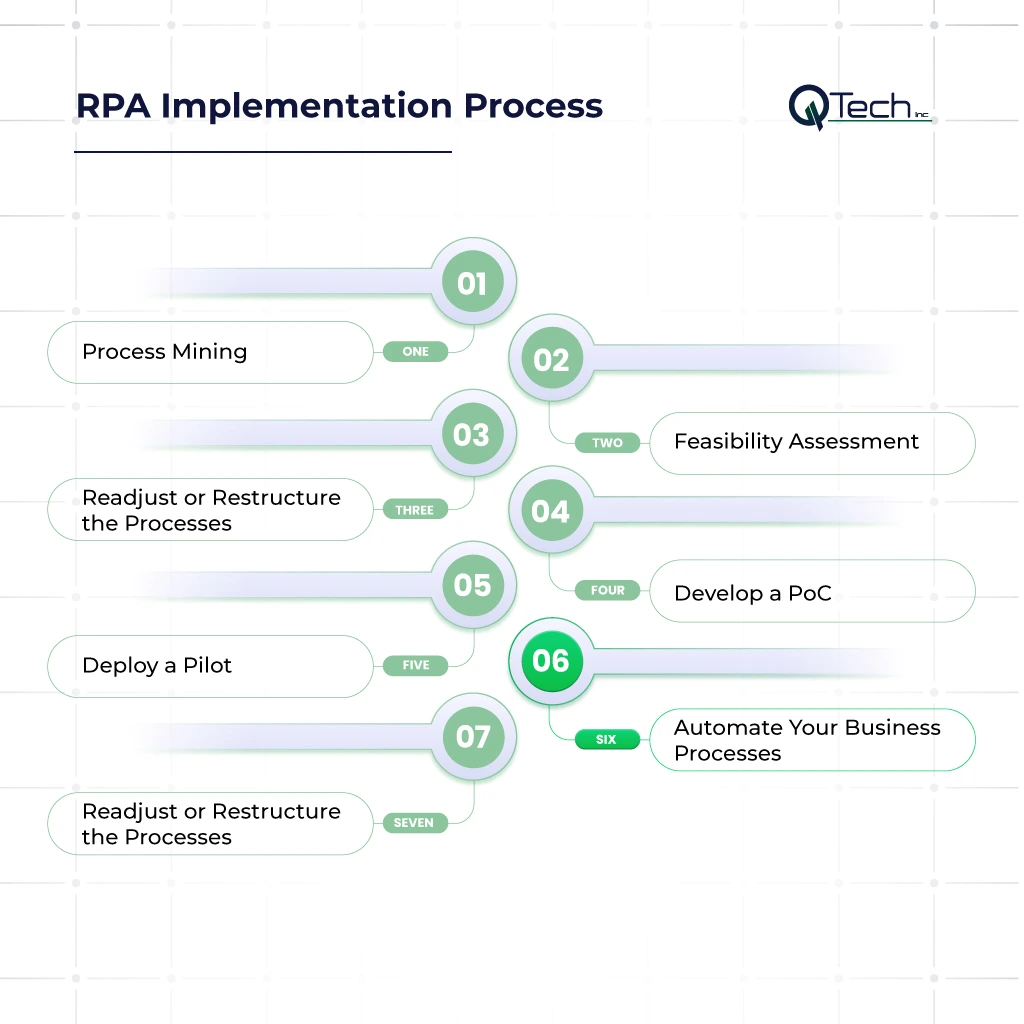
A Step-by-Step Guide to RPA Implementation
Step 1: Process Mining
Begin by identifying and analyzing processes suitable for automation. Look for tasks that are repetitive, rule-based, and high-volume.
Step 2: Feasibility Assessment
Evaluate whether the chosen processes can technically and economically benefit from automation. Not all workflows are ideal for RPA—some may require integration with legacy systems or complex data interpretation.
Step 3: Readjust or Restructure the Processes
Before deploying bots, optimize inefficient workflows. This ensures that automation builds on a solid foundation rather than magnifying existing flaws.
Step 4: Develop a PoC
A Proof of Concept (PoC) validates the RPA initiative on a small scale. It demonstrates potential ROI, performance, and integration capabilities within your unique IT environment.
Step 5: Deploy a Pilot
Launch a pilot program in one department, such as finance and accounting, to measure success and identify adjustments needed before a full-scale rollout.
Step 6: Automate Your Business Processes
Once proven successful, scale automation across departments. With a strong RPA platform, organizations can automate repetitive tasks across finance, HR, customer support, and operations seamlessly.
Step 7: Operate and Monitor
After deployment, continuously monitor bot performance and output. Routine maintenance, upgrades, and audits ensure RPA automated systems remain efficient and secure in the long term.
Pitfalls & How to Avoid Them
Automating Complex Tasks Too Early
Avoid starting with overly complex tasks. Begin with simple, well-documented processes before moving into more intricate automations.
Skipping Governance and Bot Upkeep
Bots, like any IT system, need governance, monitoring, and version control. Skipping regular updates can lead to compliance issues or system failures.
Treating RPA as Cost, Not Strategy
When companies view RPA purely as a cost-cutting measure rather than a strategic advantage, they miss out on innovation opportunities. Effective RPA drives growth, efficiency, and digital transformation.
Overlooking People and Process Change
Successful automation requires collaboration. Educate teams, define clear roles, and integrate RPA into company culture to ensure smooth adoption and long-term sustainability.
Conclusion & How Q-Tech Inc. Ensures RPA Success
Implementing robotic process automation is not just about deploying bots—it’s about reimagining how your business operates. At Q-Tech Inc., we help organizations harness the full potential of automation through customized RPA solutions, advanced analytics, and seamless cloud integration.
By combining innovation with proven IT expertise, we ensures your RPA implementation aligns with business goals, enhances accuracy, and delivers measurable results. Our strategic approach empowers businesses to scale confidently, reduce operational friction, and transform routine workflows into engines of efficiency.
Automation is no longer the future—it’s the foundation for growth, agility, and competitive advantage. Partner with us to streamline, automate, and accelerate your path toward intelligent digital transformation.
FAQ
Q: What is the main difference between RPA and true Artificial Intelligence (AI)?
A: RPA is focused on automating repetitive, rule-based digital tasks (like data entry or invoice processing) and lacks intelligence. AI focuses on tasks that require cognitive abilities like decision-making, natural language understanding, and learning from unstructured data.
Q: What kind of tasks can be automated with RPA?
A: RPA is ideal for high-volume, repetitive, and rule-based tasks. Common examples include: data entry and migration, processing invoices and purchase orders, generating mass emails or reports, reconciling financial accounts, onboarding new employees by setting up accounts in multiple systems, and extracting specific data from PDFs or forms to populate databases.
Q: Is RPA expensive and difficult to implement?
A: The cost and complexity depend on the scale. However, RPA is generally considered one of the most accessible and cost-effective forms of automation. Many platforms offer low-code interfaces, making it easier for business users to build simple bots. The ROI is often very high and quick to realize, sometimes in just a few months, due to significant labor cost savings and efficiency gains.
Q: Is RPA just for large enterprises, or can small and medium-sized businesses benefit too?
A: RPA can scale to fit organisations of all sizes. Many SMBs benefit by automating specific high-volume tasks, reducing costs significantly and freeing up staff for growth-oriented activities. The key is picking the right use-cases and managing the automation lifecycle.