
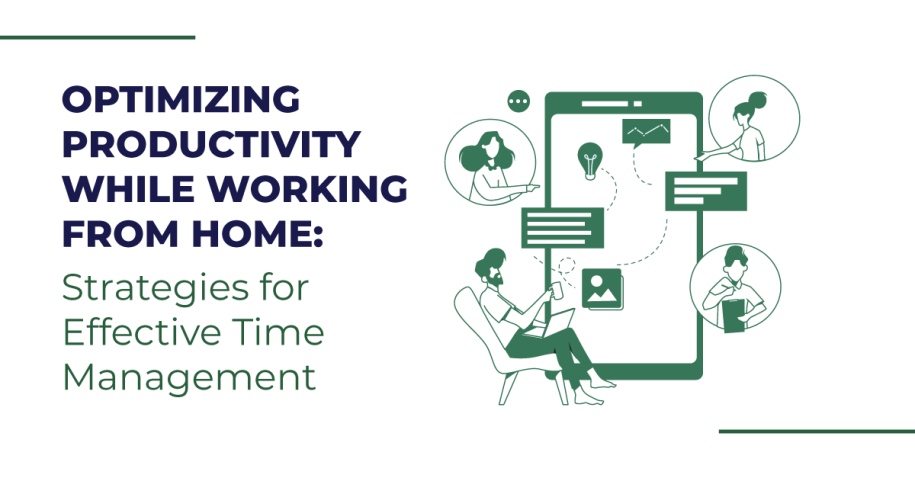
Working from home has become the new normal for millions of professionals worldwide. While the flexibility of remote work is appealing, maintaining consistent productivity outside a traditional office can be challenging. Distractions, blurred boundaries, and irregular work hours can easily derail focus.
That’s where effective time management strategies become essential. This ultimate guide to remote work productivity explores proven techniques, tools, and routines that empower remote workers to perform at their best—whether they’re logging in from a home office or embracing a hybrid work setup.
The Unique Productivity Challenges of Remote Work
Remote work presents a unique set of challenges that differ from the traditional office environment. The lack of direct supervision, the temptation of home distractions, and the blending of personal and professional spaces often make it difficult to stay focused. Many remote workers struggle to define clear work schedules and maintain motivation throughout the week. The absence of casual collaboration—those quick hallway chats or brainstorming sessions—can also lead to feelings of isolation or decreased creativity.
However, these challenges can be overcome with structured approaches to time management. Establishing boundaries, setting clear goals, and maintaining accountability are vital to transforming the remote work environment into one that fosters productivity, not procrastination.
Foundation First: Mastering Your Mindset and Environment
Designing a Dedicated, Ergonomic Workspace
Creating a dedicated office space is one of the most effective ways to improve working from home productivity. Your workspace should be designed to promote comfort and focus—a quiet, well-lit area where you can perform your daily tasks without interruption. Investing in ergonomic furniture, proper lighting, and minimal clutter reduces fatigue and improves your ability to stay focused for longer periods. A professional setup also signals to your mind that it’s time to work, reinforcing mental discipline and separating your personal life from work responsibilities.
The Power of a Consistent Morning Routine
A consistent morning routine sets the tone for the entire day. Remote workers who start their mornings with structure—whether it’s exercise, meditation, or reviewing their to-do list—are more likely to experience effective home office productivity.
Having a defined start time helps align your mindset with your goals and prevents the drift that can occur when work and personal time overlap. For example, dedicating 25 minutes each morning to plan specific tasks can significantly enhance how you approach your day and ensure your time management strategy is proactive, not reactive.
Setting Clear Boundaries with Housemates and Family
One of the most underestimated remote work strategies is boundary-setting. Communicate your work hours and explain that during those times, interruptions should be minimized. Using visual cues—like a closed door or a “Do Not Disturb” sign—can help others respect your focus time. Setting boundaries ensures you maintain balance while reducing stress and improving your overall work products.
Core Time Management Frameworks for Remote Workers
Time Blocking: Structuring Your Day for Deep Work
Time blocking is one of the most powerful time management techniques. It involves dividing your day into dedicated blocks for specific tasks. Instead of multitasking, remote workers allocate uninterrupted periods for focused work, meetings, and breaks.
This structure minimizes decision fatigue and enhances consistency across your work schedule. Using color-coded digital calendars or planners can make this process easier and more visual, allowing you to see how your work hours are distributed throughout the week.
The Pomodoro Technique: Mastering Focus in Sprints
The pomodoro technique—named after the tomato-shaped kitchen timer its creator used—is a simple yet effective time management method. The idea is to work for 25 minutes straight, followed by a 5-minute break. After four cycles, take a longer 15–30 minute break.
This method keeps energy levels high and helps you stay focused on specific tasks without burnout. It’s especially useful in a remote work environment where distractions can be more frequent. The short breaks prevent mental fatigue, while the consistent rhythm enhances overall efficiency.
The Eisenhower Matrix: Prioritizing What Truly Matters
Remote workers often juggle multiple responsibilities, from daily tasks to strategic planning. The Eisenhower Matrix helps identify which activities deserve your immediate attention. Tasks are divided into four categories: urgent and important, important but not urgent, urgent but not important, and neither. By categorizing work this way, you can focus on tasks that have real impact—streamlining your workflow and avoiding time spent on low-value activities.
The “2-Minute Rule” for Small Tasks
The 2-minute rule, popularized by productivity expert David Allen, states that if a task takes less than two minutes to complete, do it immediately. For remote workers, this small habit prevents a pile-up of quick but necessary actions like responding to an email, updating a status, or confirming a meeting. By clearing these small tasks quickly, you maintain momentum and keep your mental bandwidth focused on more significant work strategy goals.
Leveraging Technology: Essential Productivity Tools
Technology plays a key role in enabling effective time management strategies—especially for those who work remotely. By selecting the right tools, remote workers can simplify collaboration, improve focus, and manage workflows efficiently.
Task & Project Management (e.g., Asana, Trello)
Platforms like Asana and Trello are vital for task management. They allow you to break down projects into manageable steps, assign deadlines, and visualize progress. Using these tools ensures clarity around specific tasks and daily priorities, helping teams deliver better work products on time. Consistent use of these systems enhances time management skills while improving collaboration across hybrid work environments.
Focus & Distraction Blocking (e.g., Freedom, Forest)
Staying productive from home means learning how to avoid distractions. Apps like Freedom and Forest are designed to help you stay focused by blocking distracting websites and rewarding sustained attention. Whether you’re managing digital workflows, attending virtual meetings, or creating reports, these tools reinforce good habits by minimizing interruptions and maintaining flow throughout your workday.
Communication & Collaboration (e.g., Slack, Teams)
Clear communication is the backbone of any successful remote work environment. Tools like Slack and Microsoft Teams streamline collaboration, allowing remote workers to share files, chat, and organize discussions in real time. These platforms ensure alignment across departments and keep everyone informed without overwhelming inboxes. Integrating communication tools into your daily workflow supports seamless coordination, reduces bottlenecks, and boosts productivity for teams working remotely several days a week.
Conclusion & How Q-Tech Inc. Supports Remote Teams
Time management is not about doing more—it’s about doing what matters most, efficiently. The ability to prioritize, structure, and stay consistent defines successful remote work strategies. As businesses embrace hybrid work models, mastering these effective time management strategies becomes critical to sustaining performance and well-being.
We specialize in empowering teams to achieve greater remote productivity support through cutting-edge managed IT services. Our tailored digital workflows help organizations streamline communication, automate processes, and enhance collaboration no matter where employees are located. By integrating smart tools, secure systems, and data-driven insights, Q-Tech Inc. enables companies to create productive, resilient, and connected remote work environments.
In a world where flexibility defines success, mastering time management skills will ensure your business thrives. Whether you’re refining your home office setup or leading distributed teams across multiple time zones, the key to sustained productivity lies in balance, structure, and technology-driven support. With the right strategies and guidance, working from home doesn’t just mean getting the job done—it means excelling in every aspect of your professional journey.
FAQ
Q: What is the Pomodoro Technique and how does it work?
A: The Pomodoro Technique is a time management method that uses a timer to break work into intervals, traditionally 25 minutes in length, separated by short 5-minute breaks. Each interval is known as a ‘pomodoro’. After four pomodoros, you take a longer break of 15-30 minutes. This method helps maintain high levels of focus and prevents mental burnout by forcing regular rest.
Q: How can I improve my work-life balance when my home is my office?
A: Improving work-life balance when working from home is about enforcing strict boundaries. Have a definitive end-of-day ritual, such as a shutdown routine where you review the day and plan for tomorrow, then physically leave your workspace. Change out of your work clothes, and avoid checking work emails or messages after your scheduled work hours. The physical and mental separation is crucial.
Q: Does remote work increase or decrease productivity?
A: Studies show that remote work, when managed properly with clear guidelines and the right technology, often increases productivity due to fewer interruptions, increased autonomy, and less time spent commuting. However, poor time management or technical issues can drastically decrease it.