
In an era defined by digital transformation, the question isn’t if your business will face a cyberattack,it’s when. As we navigate 2025, cybercriminals continue to evolve with new tactics like ransomware as a service (RaaS), phishing-as-a-service, and AI-driven exploits.
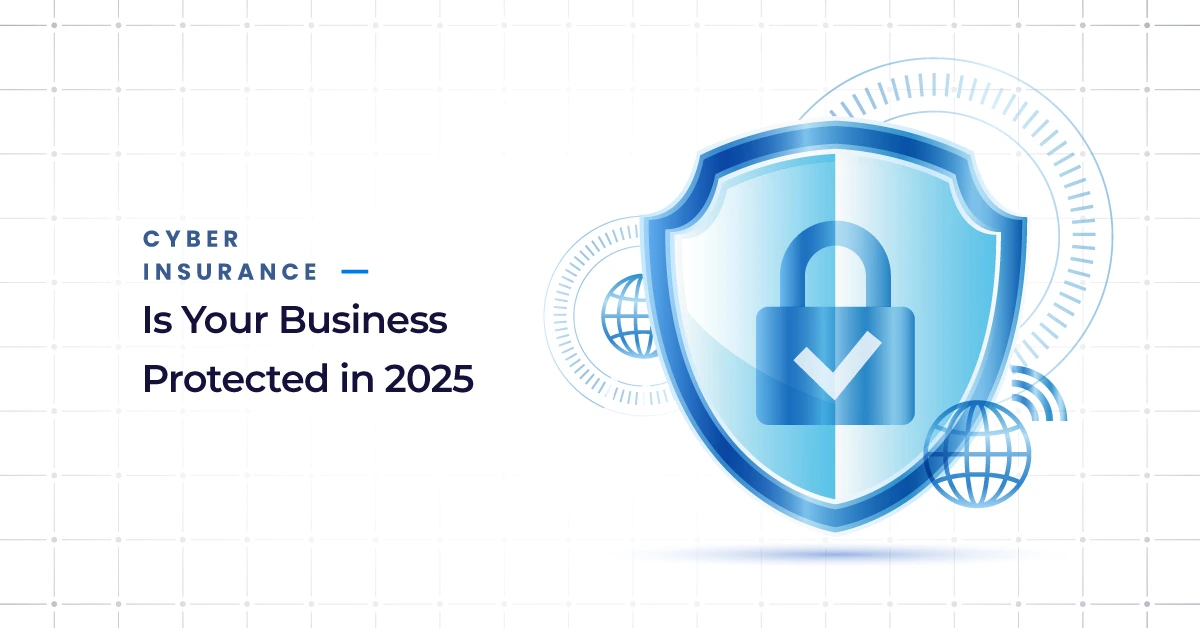
The stakes are higher than ever. One overlooked vulnerability could mean exposing thousands of social security numbers, leaking customer data, or triggering a data breach that costs your company millions in damages, lawsuits, and lost trust. So, we must ask,Cyber insurance: Is your business protected in 2025? This blog will break down what cyber insurance is, what it covers, how to choose the right policy, and how Q-Tech can help you stay protected.
Understanding Cyber Insurance

What is Cyber Insurance?
Cyber insurance is a policy designed to help businesses recover from a cyber incident, such as a data breach, ransomware attack, or network compromise. Think of it like a digital safety net. Much like car or home insurance, cyber insurance coverage steps in when an unexpected event causes damage,only this time, it’s digital.
Coverage can include:
- Recovery of lost data or files
- Legal costs if you’re sued over a data breach
- Public relations and reputation management
- Payment of ransom in case of a ransomware event
- Regulatory fines
With increasing average costs of cyberattacks now reaching over $4 million globally per incident, businesses of all sizes need cyber insurance to help manage both financial losses and operational disruption.
Why Businesses Need Cyber Insurance
Today’s businesses rely on digital systems for everything,from processing orders to managing employee records. Unfortunately, that reliance makes them attractive targets for hackers. If your systems go down due to an attack, can your team still function? Can your customers still access their data?
Cyber insurance helps companies manage the cost of cyber insurance events while reinforcing their risk management posture. For example:
- If a hacker encrypts your files, your insurance may pay the ransom (though this is controversial and varies by policy).
- If customer data is stolen, insurance can cover notification costs and credit monitoring services.
- If your company is sued for failing to protect sensitive information, cyber liability insurance helps pay for your legal defense.
In a world where 2024 ransomware strains like LockBit and BlackCat still loom, having the right coverage is not optional,it’s strategic.

Key Coverage Areas
First-Party Coverage
This coverage protects the company itself. It includes:
- Data recovery and restoration
- Notification of customers affected by breaches
- Crisis communications and PR
- Paying ransom demands (when permitted)
Imagine a healthcare provider whose systems are encrypted by a ransomware group. Their files include social security numbers and medical data. First-party coverage ensures they can recover quickly, covering tech support, communications, and regulatory response.
Third-Party Liability
This comes into play when another party is harmed by your breach. It includes:
- Legal defense against lawsuits
- Settlements and court-ordered compensation
- Costs related to regulatory compliance
Example: A software firm’s system is breached, and its client’s sensitive information is leaked. The client sues. Third-party liability insurance ensures the firm isn’t bankrupted by legal fees or damages.
Business Interruption
When systems are down, you’re losing money. This coverage reimburses:
- Lost income
- Payroll expenses during outages
- Relocation or temporary operation costs
For instance, if an e-commerce store is down for 72 hours due to a cyberattack, business interruption insurance recovers the revenue lost during that downtime.
Data Breach Response
The real cost of a data breach isn’t just technical,it’s reputational. This coverage includes:
- Breach investigation and forensics
- Customer notification and credit monitoring
- PR to manage fallout
- Legal consultation for compliance
These are especially vital in regulated industries like healthcare and finance, where the exposure of customer data or social security numbers can invite steep penalties.
Evaluating Your Cyber Risk
Assessing Vulnerabilities
Before you can insure against cyber threats, you need to know where you’re exposed. Key areas to evaluate include:
- Network and system vulnerabilities
- Outdated or unpatched software
- Untrained employees are vulnerable to phishing
- Cloud infrastructure and third-party vendor risks
Companies with a history of attacks or a large claims history may face higher premiums, which is why proactive security is critical. Think of it as having smoke detectors in your digital house.
Implementing Preventive Measures
Cyber insurance for businesses isn’t a replacement for security,it’s a complement. Insurers may even require certain safeguards to qualify for coverage or to lower your cyber liability insurance cost.
Best practices include:
- Multi-factor authentication
- Endpoint protection
- Frequent backups and testing of restoration
- Role-based access controls
- Regular employee training on phishing and social engineering
Partnering with a cybersecurity team like Q-Tech’s Miami-based cybersecurity experts ensures you stay one step ahead of attackers and aligned with insurer requirements.
Choosing the Right Cyber Insurance Policy
Factors to Consider
Choosing the right cyber insurance policy means understanding:
- What events are covered (e.g., ransomware attacks, phishing, insider threats)
- Exclusions (e.g., state-sponsored attacks, negligence)
- Coverage limits and deductibles
- Coverage for errors and omissions, or employee mistakes
- Industry-specific risks and regulatory exposure
Ask: What are the worst-case scenarios for our business? What insurance covers those? Not all policies are created equal, and cheap doesn’t mean comprehensive.
Working with Trusted Providers
A good insurance partner understands the real-world nature of cyber threats and provides:
- Clear policy explanations
- Risk assessments
- Guidance on compliance
- 24/7 claims support
Work with a broker who specializes in cyber insurance or consult with your IT provider, like Q-Tech’s IT services, to ensure your policy works hand-in-hand with your infrastructure.
How Q-Tech Inc. Enhances Your Cybersecurity
Comprehensive Cybersecurity Services
Q-Tech helps businesses build resilient digital environments. Services include:
- Network and endpoint security
- Penetration testing
- 24/7 monitoring
- Secure cloud configurations
- Incident response planning
By securing the foundation of your operations, we help you reduce the chance of needing to file a claim at all, saving you from premium hikes and preserving customer trust.
Tailored Risk Assessments
We don’t believe in one-size-fits-all solutions. Q-Tech delivers tailored cybersecurity audits that assess:
- Industry-specific risks
- Regulatory requirements (HIPAA, PCI-DSS, etc.)
- Organizational workflows
- Third-party software integrations
These assessments inform your risk management strategy, make you more insurable, and highlight the cyber insurance benefits you truly need.

Conclusion: Securing Your Business’s Future
Cybercrime is no longer the domain of rogue hackers in hoodies,it’s big business. Ransomware attacks, ransomware groups, and even ransomware as a service models are becoming more mainstream. Meanwhile, regulations grow stricter, and claims history becomes a greater factor in cyber liability insurance cost.
That’s why your approach in 2025 should be twofold:
- Invest in strong cybersecurity infrastructure and risk mitigation with trusted partners like Q-Tech.
- Protect your downside with a well-structured cyber insurance policy tailored to your business.
By doing both, you ensure business continuity, protect your customers, and stay resilient,even when the unexpected strikes.