

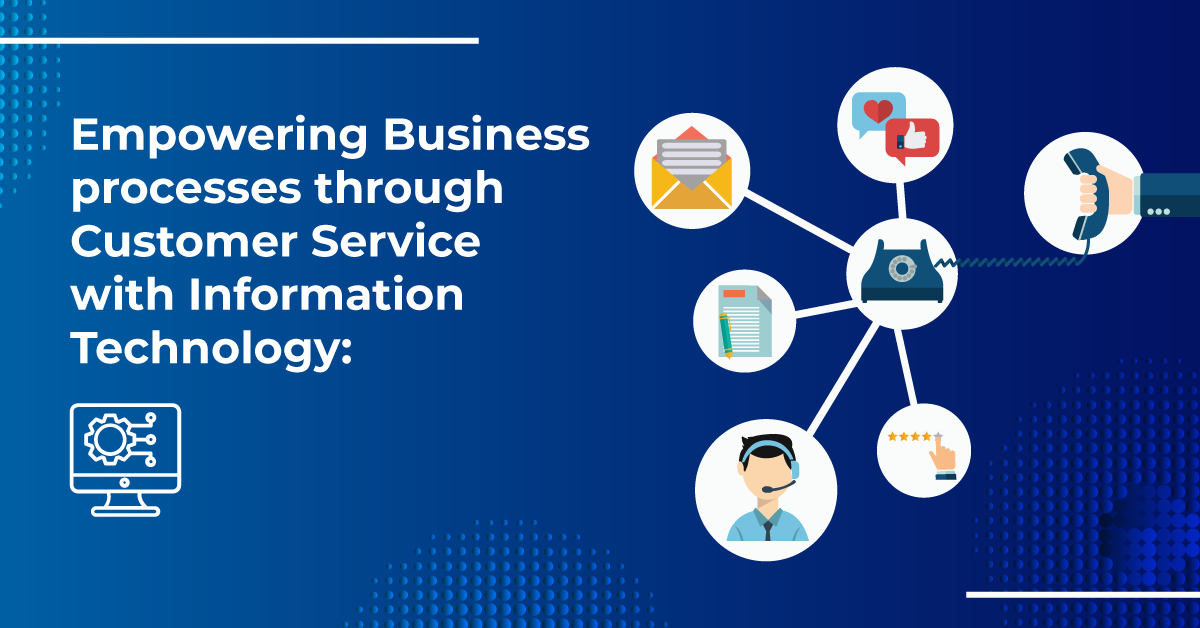
In the modern digital epoch, the business landscape is ever-evolving, presenting both challenges and opportunities. One of the most profound transformations we’ve witnessed is the fusion of customer service and information technology or computer systems.
As the lines between the physical and digital worlds blur, businesses find themselves at a crossroads: adapt to the digital revolution or risk obsolescence. This integration isn’t just about deploying the latest tech gimmicks or flashy tools; it’s about a profound shift in how businesses understand and engage with their customers.
With technology integration at its core, today’s customer interaction is a seamless blend of human touchpoints and digital solutions, all working in harmony to deliver an unparalleled customer experience. In this comprehensive exploration, we delve into the myriad ways IT is not only enhancing business processes but also setting new benchmarks for customer satisfaction, communication, and experience.
Artificial Intelligence (AI) and Its Role in Customer Service: Beyond Automation to Personalization
The realm of customer service with information technology has undergone a paradigm shift, and at its forefront is Artificial Intelligence (AI). But what exactly is AI in customer service? Simply put, AI is the capability of machines to mimic cognitive functions associated with the human mind, especially problem-solving and learning. It’s not just about robotic responses or chatbots but involves a deep and dynamic learning process known as machine learning.
So, how is machine learning used in customer service? Machine learning, a subset of AI, utilizes algorithms and statistical models allowing systems to perform tasks without explicit instructions. For customer service, this means predictive analytics, understanding customer behaviors, and even anticipating issues before they arise. Tools like live chat powered by AI can detect patterns, offer solutions in real time, and even upsell products by understanding user preferences, ensuring customers feel understood and valued.
The advantages of AI technology in this arena are manifold. It reduces wait times, eliminates human errors, and offers 24/7 assistance. But more than efficiency, AI brings in personalization. With the ability to analyze vast amounts of data swiftly, AI can create bespoke customer experiences, making interactions more meaningful. Whether it’s using a knowledge base to pull up a customer’s history or predicting what a customer might need next, AI takes customer support to a new dimension.
Furthermore, AI transcends the boundaries of mere text. Advanced AI tools can analyze voice tones, moods, and even sentiments during live interactions, ensuring customers are happy and issues are resolved to their satisfaction. This tech-driven approach aligns perfectly with modern business processes, striving for excellence in customer satisfaction.
The Symbiotic Relationship Between Technology and Improved Customer Experiences: A Digital Revolution in Service Paradigms
The evolution of technology integration in business processes has sparked a revolution in how companies approach customer service with information technology. This fusion has culminated in an intricate symbiotic relationship, where technology drives enhanced customer experiences, and in turn, these experiences dictate the next wave of technological advancements.
But how does technology precisely improve customer experiences? For starters, technology, especially information technology, has democratized access to information. Knowledge bases have become integral components of support systems, enabling customers to find solutions without even reaching out to a support agent. This self-help approach ensures that customers feel empowered, valued, and more in control of their issues.
Moreover, with the advent of digital solutions like live chat and social media platforms, businesses can now communicate with their customers in real time, ensuring immediate resolution of queries and fostering a sense of connectivity. These platforms also collect invaluable data, enabling businesses to anticipate needs, tailor products, and even predict potential issues – all aimed at keeping customers happy.
The advantages of such a tech-driven support system are evident in the reduced response times, the ability to handle multiple queries simultaneously, and the seamless integration of hardware and software to create a unified customer interaction platform. Features like AI-driven chatbots or customer interaction management systems ensure that every touchpoint in the customer’s journey is optimized for satisfaction.
Information systems, particularly customer support systems, have leveraged technology to create detailed customer profiles. These profiles, powered by software development advancements, allow businesses to offer personalized product recommendations, exclusive offers, and tailor-made solutions, ensuring loyal customers feel seen and understood.
Moreover, the social media sphere has been a game-changer. With platforms enabling direct interaction between businesses and customers, feedback is instantaneous. Companies are equipped with real-time insights into their performance, enabling swift business process improvement.
To encapsulate, the dynamic between technology and improved customer experiences is constantly evolving. As we rely more on IT innovations to redefine the paradigms of customer service, we witness a paradigm where technology and human-centric services are not just intertwined but are co-dependent.
Social Media and Customer Service Integration: Pioneering Tech-Enhanced Support in the Digital Age
In today’s digital-first world, customer service with information technology has undergone a transformative shift, especially with the integration of social media platforms. These platforms, often considered the voice of the modern consumer, are now at the forefront of a business’s customer experience strategy. The intricate fusion of tech-enhanced support with social media channels has redrafted the rules of customer interaction, offering businesses an unparalleled opportunity to connect, engage, and resolve in real time.
Why is this integration so crucial? Firstly, the immediacy that platforms like Twitter, Facebook, or Instagram provide is unmatched. Consumers today no longer want to wait on hold or sift through a maze of automated information technology responses. They’re reaching out via tweets, direct messages, or comments, expecting swift, efficient, and excellent customer service.
Another aspect of this symbiosis is the treasure trove of data and insights these platforms offer. Businesses can tap into customer feedback, both positive and negative, in real time, enabling them to adjust their business processes or products and services accordingly. This active listening capability ensures that existing customers feel valued and heard, fostering loyalty.
Moreover, integrating AI-powered tools like chatbots on platforms such as Messenger ensures that tech-driven support is available around the clock. These bots, often the first point of customer interaction, can handle basic queries, direct customers to relevant knowledge bases, or even escalate issues to human agents when necessary.
The benefits don’t stop at customer support. Leveraging these platforms allows businesses to humanize their brand. Sharing behind-the-scenes content, addressing concerns publicly, or celebrating milestones can make customers feel a part of the journey. This approach not only aids in problem-solving but also in building a community of loyal customers who become brand ambassadors.
However, with the numerous advantages come challenges. The public nature of social media means negative feedback or complaints are visible to all. Hence, information systems and customer support systems need to be agile. A well-documented strategy, combined with technology integration and trained human resources, can turn these potential crises into opportunities.
Future Trends in Tech-Driven Customer Service: Navigating the New Normal with IT Innovations
The domain of customer service with information technology has experienced a dynamic evolution over the past decade, and as we venture further into this digital era, it is imperative for businesses to stay abreast of emerging trends. Understanding these trends doesn’t just enhance customer interaction; it helps businesses future-proof their strategies and maintain a competitive edge in an increasingly digital marketplace.
One undeniable trend is the increased adoption and reliance on Artificial Intelligence (AI). From chatbots to predictive analytics, AI is enabling excellent customer service by providing real-time solutions, anticipating customer needs, and personalizing interactions. Furthermore, with advancements in machine learning, AI tools are becoming more adept at understanding context, sentiment, and nuance in customer communication.
Another game-changer is Augmented Reality (AR) and Virtual Reality (VR). Imagine a scenario where a customer, looking to set up a home appliance, gets a virtual assistant through AR glasses, guiding them step by step. Such tech-enhanced support not only ensures customers get the help they need but also offers an immersive customer experience that’s hard to forget.
Integration of technology in business processes isn’t just about customer-facing solutions. Back-end processes, driven by information systems, are equally critical. Advanced analytics, for instance, can sift through vast amounts of data to derive actionable insights. This trend will ensure that businesses can be proactive rather than reactive, anticipating issues before they arise, and tweaking their products and services based on real-time feedback.
Companies are not just using social media for marketing but as an integrated platform for customer interaction management. The future will see CRMs that can analyze social media sentiment, track a customer’s entire journey with a brand, and provide tailored solutions or offers based on individual preferences.
Voice technology is another frontier. With the rise of smart speakers and voice-activated assistants, customer interaction will see a shift from typing to speaking. This trend demands businesses to optimize their digital solutions for voice search and voice commands, ensuring that their customer support is accessible and efficient, no matter how the query is raised.
Lastly, a noteworthy mention is the importance of customer data protection. With increased technology integration, businesses have access to enormous customer data. Ensuring its safety and addressing privacy concerns will be paramount. Transparency in tech-driven support about how data is used can elevate customer trust and satisfaction.
In conclusion, the horizon of tech-driven customer service is vast and promising. By integrating these IT innovations and keeping an eye on emerging trends, businesses can ensure they’re not just meeting but exceeding their customers’ expectations.
Optimizing Customer Service through Digital Marketing Tools: Seamlessly Merging Information Technology and Customer Support
In today’s digital era, where every touchpoint with a customer matters, businesses are increasingly realizing the significance of leveraging digital solutions to enhance customer service. Traditionally, information technology and customer service may have been perceived as separate entities. Still, the lines have blurred, leading to a confluence that can significantly uplift customer satisfaction. With the right digital marketing tools at one’s disposal, a brand can achieve the much-coveted synergy between technology integration and superior customer experience.
- Search Engine Optimization (SEO): SEO is not just about getting your business to rank higher on search engines. It’s about understanding what your customers are searching for, their pain points, and their needs. By analyzing SEO data, businesses can improve their knowledge base, ensuring that their customer support addresses commonly searched queries. This not only enhances customer interaction but also positions the brand as an industry authority.
- Chatbots and Live Chat: Modern customers expect instantaneous responses. Integrating chatbots, powered by AI and machine learning, can ensure that queries are addressed in real time. For more complex issues, transitioning from chatbot to live chat with human agents provides a seamless experience. It’s a powerful combination of tech-enhanced support and the human touch.
- Social Media Management: Social platforms are no longer just marketing channels. They’re crucial customer communication touchpoints.
- Email Marketing Automation: Personalized email campaigns, based on customer behavior, can uplift the customer experience. For instance, if a customer has faced an issue with a product, a follow-up email checking on their satisfaction after the issue resolution can make customers feel valued.
- Analytics and Data Insights: Platforms like Google Analytics offer profound insights into customer behavior, preferences, and pain points. By understanding this data, businesses can refine their products and services to ensure they align with customer expectations.
- CRM Systems: These tools integrate various customer touchpoints, from email interactions, and purchase histories, to feedback. A robust CRM, especially one that incorporates social CRM strategies, ensures that the business has a holistic view of the customer. This, in turn, allows for personalized customer interaction management and problem-solving, enhancing overall satisfaction.
- Affiliate and Referral Marketing: Happy customers are your best advocates. By using digital tools that track referrals and reward loyal customers, brands can boost customer satisfaction. It’s a testament to the age-old adage, “Make your customers happy, and they’ll do the marketing for you.”
Incorporating these digital marketing tools, underpinned by cutting-edge information technology, is not just a strategic move; it’s a necessity in today’s competitive landscape. Brands aiming for excellent customer service realize that technology integration in their business processes is not an option, but a mandate.
In the end, it’s not about adopting the most advanced tool but understanding how these tools can be leveraged to make customers feel heard, valued, and respected. When technology-driven support seamlessly merges with empathetic customer service, brands can truly set themselves apart.
The Impact of Hardware and Software Integration on Customer Service: Elevating Experiences through Synergized Technology
In a world where digital transformation is accelerating, the integration of hardware and software stands as a testament to how advanced information technology has become. Beyond mere functionality, this integration has carved a niche in enhancing customer service with information technology, bridging gaps, and creating streamlined solutions. Delving deeper, let’s examine how combining these technological facets profoundly influences the realm of customer service.
- Unified Communication Systems: In the past, companies relied on disparate communication tools that often led to fragmented interactions with customers. Now, hardware devices seamlessly integrate with customer interaction management software. This ensures that communication, whether via phone, chat, or video, is consolidated, making customer communication more efficient and coherent.
- POS Systems and CRM Integration: Retailers, both online and offline, benefit immensely from integrating Point-of-Sale (POS) hardware with customer relationship management (CRM) software. This synergy allows businesses to capture purchasing behaviors, preferences, and feedback in real time, thus personalizing the customer experience and fostering loyal customers.
- Self-service Kiosks: These hardware units, powered by intuitive software, have emerged as vital tools in places like airports, fast-food chains, and banks. They cater to the evolving expectations of customers who seek swift, on-the-spot solutions, elevating customer satisfaction while efficiently addressing common queries.
- Virtual Reality (VR) and Augmented Reality (AR): These hardware-driven technologies, when integrated with the right software applications, can transform customer service. Businesses can offer virtual product demos, immersive customer support experiences, and more interactive training sessions, thus enhancing products and services understanding.
- Help Desks and Ticketing Systems: Modern help desks aren’t just about software. They’re often integrated with hardware components like phones and scanning devices, ensuring that issues are logged, tracked, and resolved using a unified system, which streamlines problem-solving processes.
- Cloud Integration: Hardware and software integration in the cloud ensures data accessibility and real-time updates. When a customer contacts support, representatives can instantly access the latest data, ensuring they provide relevant and timely support. This integration plays a crucial role in ensuring customers feel understood and valued.
- AI-driven Hardware Devices: Devices embedded with AI chips and integrated with AI software can predict potential issues before they escalate. For instance, smart routers can self-diagnose connectivity issues and guide users through troubleshooting steps, embodying the essence of tech-driven support.
The merits of hardware and software integration in customer service are evident. They not only bolster operational efficiency but also ensure businesses stay attuned to the evolving demands of modern customers. By fostering a seamless synergy between these two realms, businesses can offer a level of service that truly resonates with today’s tech-savvy customers, ensuring they not only meet but exceed expectations.
The Power of Problem Solving in Real-Time: Revolutionizing Customer Service with Cutting-Edge Information Technology
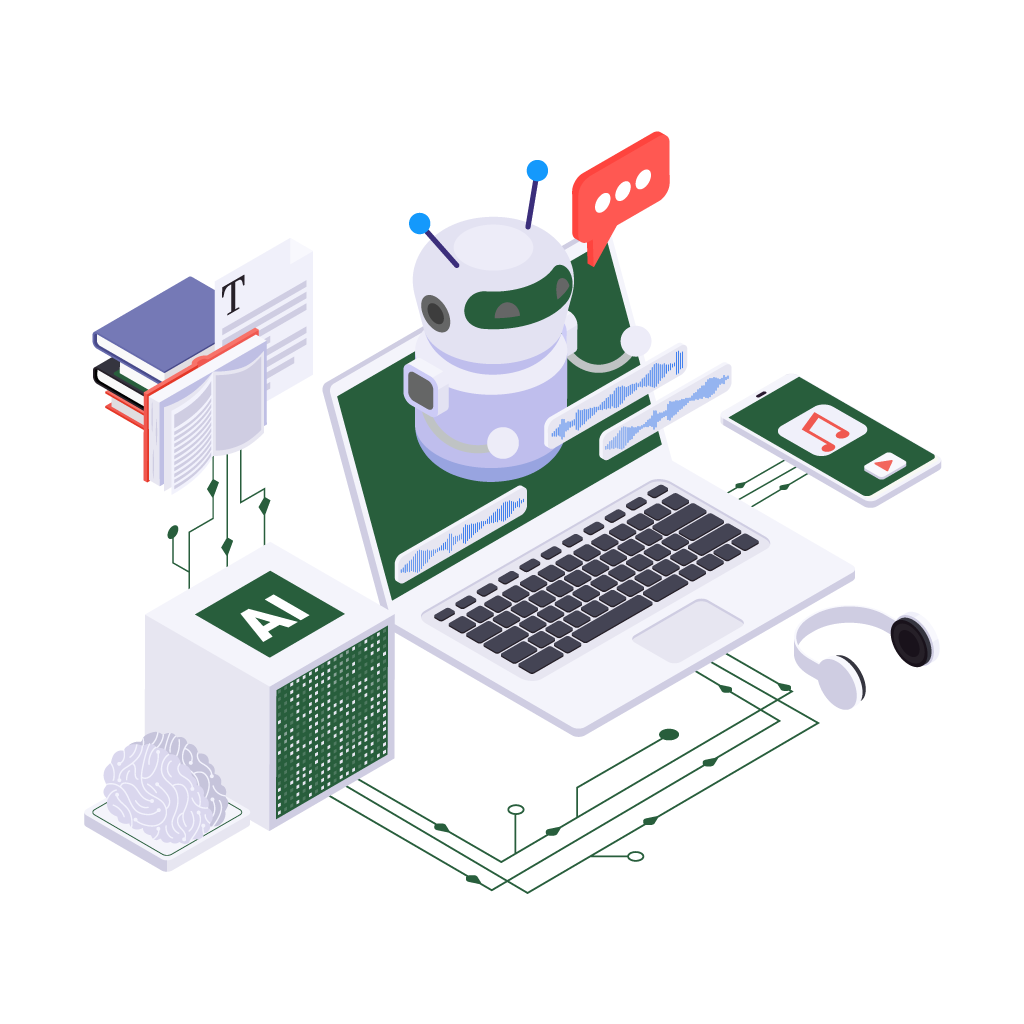
As businesses traverse the landscape of the 21st century, there is a growing emphasis on delivering solutions at the speed of thought. In an era defined by immediacy, the ability to address issues and concerns in real time has become the gold standard of customer service. Dive into this exploration of how information technology and its myriad tools are empowering businesses to revolutionize problem solving for heightened customer satisfaction.
- AI and Machine Learning in Action: Delving into the question, “What is AI in customer service?”, one realizes the vast potential of real-time solutions AI offers. Chatbots, powered by AI, are increasingly capable of understanding and addressing customer queries instantly. Machine learning, on the other hand, refines these solutions over time by learning from previous interactions.
- Real-Time Analytics: Information technology has paved the way for businesses to monitor and analyze customer interactions as they happen. This instantaneous feedback, when integrated with digital solutions, allows service agents to tailor their responses to current customer sentiments, ensuring that the customer experience remains optimal at all times.
- Live Chat Platforms: Gone are the days when customers would wait endlessly in phone queues. With live chat functionalities, customers can now get instant responses. As they engage with representatives in real time, they’re assured that their concerns are being prioritized, making customers feel valued and understood.
- Integrated Communication Systems: In our interconnected world, a problem might be discussed simultaneously on a phone call, an email, and a chat. Information technology ensures these channels are interlinked, so agents have a comprehensive view of the issue, reducing redundancy and accelerating problem solving.
- Augmented Reality (AR) Assistance: Imagine a customer struggling to set up a gadget they just purchased. Through AR, customer service can now guide them visually in real-time, overlaying instructions on the customer’s live feed. This tech-enhanced support not only resolves issues faster but also offers memorable customer interaction.
- Social Media as a Real-Time Tool: Addressing the query, “How do companies use social CRM?”, we see that brands are increasingly using platforms like Twitter and Facebook for real-time customer support.
- Collaborative Tools for Support Teams: Sometimes, resolving a customer’s issue requires inputs from multiple departments. Advanced collaborative tools ensure that the right stakeholders can join the conversation in real time, pooling their expertise to deliver swift solutions.
Harnessing the power of real-time problem solving is not just about speed; it’s about demonstrating to customers that they are a top priority. As businesses continue to intertwine their customer service processes with advanced information technology, the promise of delivering instantaneous solutions becomes more tangible. In doing so, they not only enhance customer satisfaction but also set new benchmarks in service excellence in an ever-evolving digital age.
Conclusion: The Pinnacle of Tech-Enhanced Support and Its Transformational Role in Business Processes
In an age where digital transformation has reshaped the core of business processes, understanding the intricate dance between customer service and information technology is more vital than ever. As we’ve delved into the myriad facets of this symbiotic relationship, a few salient points stand out, underscoring the revolution in customer experience and the potential it holds for future innovations.
Moreover, the continuous intertwining of social media and customer service underscores the necessity of instantaneous, transparent communication. Platforms like Facebook and Twitter aren’t just marketing tools; they’ve transformed into vital customer interaction management portals, emphasizing the importance of staying connected and responsive.
Furthermore, as we move towards a future influenced by IT innovations, the role of hardware and software in customer service cannot be overstated. From optimizing back-end processes to ensuring front-end customer interactions are seamless, the marriage between these two elements will define the customer support systems of tomorrow.
In sum, customer service with information technology is not just a trend; it’s the very fabric of modern business. As companies look to streamline their operations, enhance employee productivity, and elevate customer satisfaction, the roadmap is clear: investing in tech-enhanced support and IT-enabled solutions is not just recommended, it’s imperative. To all businesses aiming to scale new heights: the future beckons with promises of innovation, integration, and unparalleled customer experiences. Embrace it with confidence and foresight.