1. Introduction: The Power of Remarketing in Today’s Digital Age
In the intricate web of the modern digital marketplace, capturing the attention of potential customers is only half the battle. Retaining that attention and fostering loyalty has become an art form in itself, and one of the most powerful brush strokes in this art is remarketing.
Think about this: How often have you visited a website, and pondered over a product, only to be gently reminded of it later when browsing your favorite news site or scrolling through your social media feed? That’s content remarketing at work, tapping into the psyche of potential buyers and nudging them towards business growth and conversion.
Yet, many businesses are still in the dark about this potent tool. It’s not just about showing an ad again; it’s about understanding the nuances of consumer behavior, and their online journeys, and strategically positioning your brand to be there at the right moment.
So, what exactly is re-marketing, and more importantly, how can it be harnessed effectively? In this comprehensive guide, we’ll embark on a journey to explore how to use remarketing like a pro to grow your business. Whether you’re a budding entrepreneur or a seasoned business mogul, the evolving world of online marketing offers endless opportunities for those willing to dive deep and adapt. Welcome to the age of remarketing; let’s decode its magic together.
2. Understanding the Basics: What is Remarketing and its Significance?
At its core, remarketing is a strategy employed by digital marketers to reconnect with users who have previously interacted with a website, app, or online platform but did not complete a desired action, such as making a purchase or signing up for a newsletter. By leveraging remarketing campaigns, businesses strategically place their ads in front of these ‘lost’ audiences as they browse different parts of the web, use mobile apps, or even search on Google. Imagine the power of showing a product or service that a user showed interest in, at multiple touchpoints, making it more probable for them to convert.
So, how can I use remarketing? Picture this scenario: A potential customer visits your product page but leaves without making a purchase. Through remarketing, tailored ads about the very product they viewed can be displayed to them on other platforms, like social media or various other sites they visit. This not only keeps your brand top of mind but also can entice them back to your site to finalize that purchase.
One of the critical advantages of remarketing is its unparalleled ability to segment and target specific audiences. Using audience segmentation, businesses can create tailored ad content for different audience segments based on their behavior, interests, and interaction level with the website. For instance, someone who abandoned a shopping cart might see a different ad compared to someone who just browsed a landing page.
But why is remarketing so pivotal in today’s online ecosystem? The digital realm is vast, and attention spans are fleeting. By tapping into remarketing strategies, businesses can ensure they’re not just a fleeting memory in the consumer’s mind but a persistent presence, gently nudging them towards conversion. Furthermore, with tools like Google Ads and analytics accounts, businesses can obtain detailed insights into their remarketing success, allowing for continuous optimization and ensuring a high retargeting ROI.
In essence, remarketing is more than just retargeted advertising; it’s a strategic approach that bridges the gap between initial interest and final conversion, ensuring businesses don’t miss out on potential customers. Given the sheer volume of digital distractions today, it’s a vital tool in the marketer’s arsenal, ensuring brands remain visible, relevant, and top-of-mind.
3. Delving Deeper: The Mechanics Behind Remarketing
Behind every successful remarketing campaign lies a finely tuned machine driven by technology, strategy, and data. At its foundation, the mechanics of remarketing revolve around the collection and utilization of data to retarget potential customers most effectively.
Firstly, how does remarketing truly work? When a user visits your website or product page and interacts with your content, a small piece of data known as a ‘cookie’ is stored in their browser. This cookie helps in tracking their online movements and behaviors. Data collection mechanisms, especially in platforms like Google Ads and integrated analytics accounts, utilize these cookies to recognize these users and display your ads to them across different digital platforms, including social media and various partnered websites.
The beauty of remarketing lies in its precision. With audience segmentation, you can break down your audience into specific categories based on their behaviors and interactions.
Did they visit a particular product page? Did they leave items in the shopping cart? Each of these actions can trigger a specific type of remarketing ad tailored to their exact action. For instance, display ads can showcase the exact product they viewed, maybe even with a special discount or offer to lure them back.
Moreover, platforms like Google Ads allow for remarketing with Google Analytics, which means you can further refine your campaigns based on comprehensive user metrics and behaviors. Dive deep into how users are interacting with your site, which pages have the highest bounce rates, and which products are getting the most attention.
A critical aspect not to overlook is ad remarketing tips and best practices. While the technology driving these campaigns is advanced, the human touch is irreplaceable. Crafting engaging and relevant ad content, utilizing eye-catching visuals, and ensuring clear calls-to-action (CTAs) can greatly amplify the success of your campaigns.
However, it’s not just about retargeting users who have visited your site. Platforms like Facebook allow remarketing by utilizing email addresses from your database. This means even if someone hasn’t visited your site, but their email address is in your database (and they use the same email for their Facebook account), you can target them with personalized ads.
Lastly, the tools available today make it easier than ever to measure your campaign’s success. Remarketing analytics tools provide in-depth insights into conversion rates, click-through rates, and overall campaign performance. By regularly evaluating these metrics, businesses can refine their strategies, ensuring they’re making the most of every remarketing opportunity.
In conclusion, remarketing is a blend of advanced technology, meticulous strategy, and an in-depth understanding of consumer behavior. As businesses venture further into the realm of online marketing, mastering the mechanics of remarketing becomes not just beneficial but essential for sustained business growth.
4. Crafting a Successful Remarketing Campaign: Tips and Best Practices
Embarking on a remarketing campaign is one thing; ensuring its success is another. Crafting a campaign that resonates requires a blend of data-driven insights and intuitive creativity. Dive into these proven strategies and best practices to ensure your remarketing strategies truly lead to robust business growth.
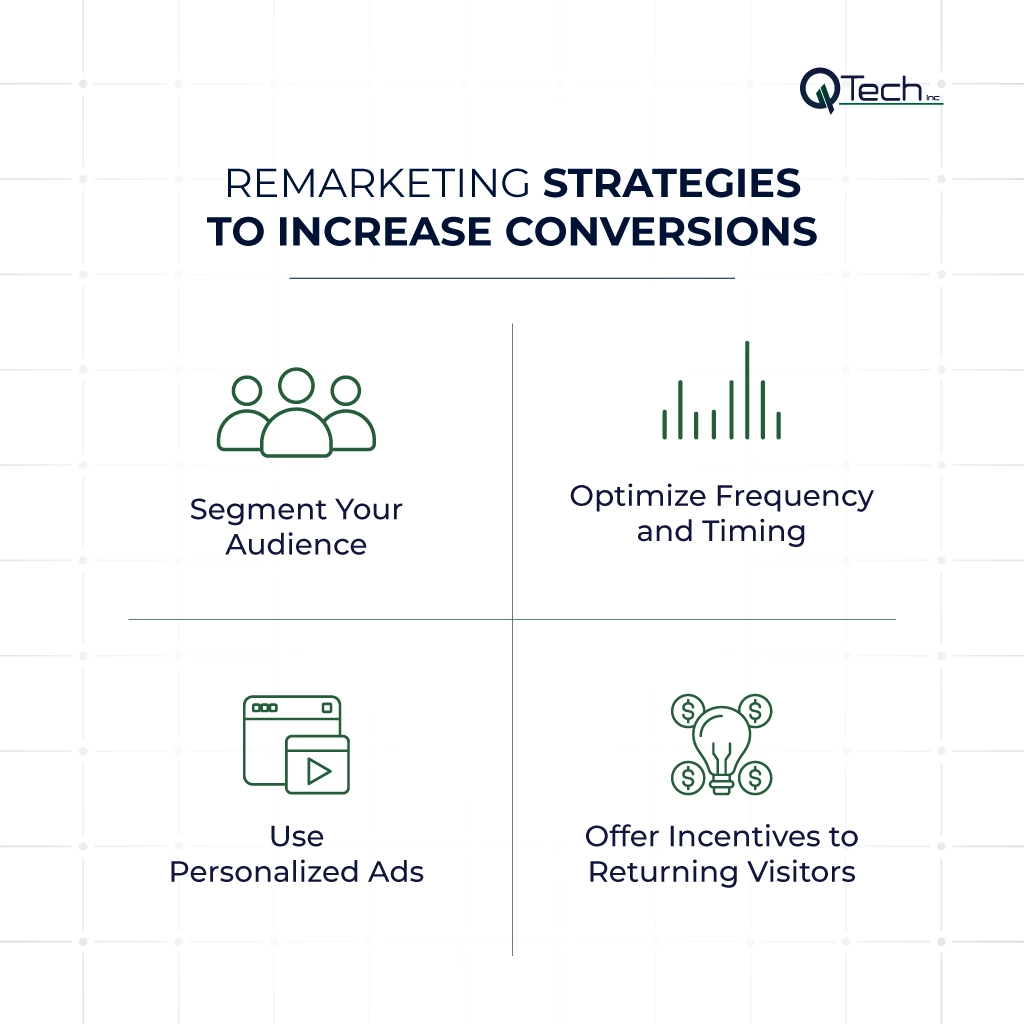
- Segmentation is Key: Harness the power of audience segmentation. Tailor your ads based on the specific behaviors exhibited by visitors to your site. For instance, potential customers who abandoned their shopping carts might receive a different ad than those who merely browsed a product page. This targeted approach increases the likelihood of conversions.
- Utilize Multiple Platforms: Don’t restrict yourself to one platform. While Google Ads might be the most popular remarketing platform, don’t forget the reach of social media platforms like Facebook and Instagram, especially given the detailed targeting options they offer. Each platform might cater to a slightly different audience demographic, broadening your reach.
- Frequency Caps: Bombarding potential customers with ads can be counterproductive. Set a limit on how often your ads appear to the same user within a specified time frame. This remarketing best practice ensures you don’t annoy potential customers and drive them away.
- Dynamic Remarketing: Instead of generalized ads, use dynamic remarketing to display products or services that users have previously shown interest in. Pair this with personalized ads for enhanced engagement.
- Compelling Calls to Action (CTAs): Ensure every ad has a clear and compelling CTA. Whether it’s a special discount offer, a reminder, or exclusive content, make it enticing for the user to click.
- Stay Updated with Analytics: Utilize remarketing analytics to understand what’s working and what isn’t. Track conversion rates, click-through rates, and other essential metrics to refine your campaign continuously.
- Optimize for Mobile: As a significant portion of online traffic comes from mobile users, ensure your remarketing ads and the landing pages they direct to are mobile-friendly.
- Diversify Ad Formats: Don’t rely solely on one ad format. Integrate display ads, video ads, and others into your campaign. Different formats cater to different segments of your audience.
- Ad Testing: A/B testing isn’t just for your website or email campaigns. Test different ad variations to determine which ones resonate most with your audience. Refining ad content based on performance can boost engagement.
- Educate Through Content Remarketing: Sometimes, it’s not about directly selling a product or service. Offering valuable content, such as a comprehensive guide or an informative video, can lure visitors back to your site. Content remarketing positions your brand as an industry expert.
- Enhance with Retargeting Tools: Platforms like Google Ads come with built-in retargeting tools that can help fine-tune your campaigns. Familiarize yourself with these tools, and consider integrating third-party applications if necessary.
- Convey Trust: Especially crucial for e-commerce stores, ensure that your remarketing ads convey trust. Display testimonials, trust badges, or any awards and recognitions your business might have received.
By harnessing these tips and best practices, businesses can craft remarketing campaigns that not only recapture potential customers but also cement their brand’s presence in the minds of their audience. Successful remarketing requires patience, continuous learning, and an innate understanding of one’s audience. Remember, it’s not just about showcasing products or services; it’s about reconnecting with an audience that showed interest, and guiding them back to complete what they started.
5. Beyond Google: Remarketing on Social Media Platforms
In today’s interconnected world, where every scroll, click, and double-tap tells a story, businesses have a plethora of platforms to reconnect with their audience. While Google Ads often takes the spotlight in remarketing campaigns, the influential prowess of social media can’t be ignored. It offers unique avenues and approaches that can significantly elevate business growth. Let’s delve into the world of social media remarketing and discover its potential.
- Facebook Remarketing: As one of the giants of the digital realm, Facebook’s vast user base makes it a fertile ground for remarketing strategies. Utilize Facebook Pixel to track visitors on your website and subsequently retarget them with personalized ads on their Facebook feed. Its Custom Audiences feature allows for intricate audience segmentation, ensuring that the right ads reach the right eyes.
- Instagram’s Visual Appeal: Owned by Facebook, Instagram offers a more visual and aesthetic approach. Craft eye-catching display ads that resonate with the platform’s user base. With its ‘Shop Now’ feature, you can directly link to a product page, ensuring a seamless experience from viewing to purchasing.
- Twitter Tailored Audiences: Much like Facebook’s Custom Audiences, Twitter’s Tailored Audiences lets businesses target users who’ve visited their websites. By blending engaging content with remarketing tactics, businesses can reignite interest and drive conversions.
- LinkedIn’s B2B Potential: For businesses in the B2B sector, LinkedIn is a goldmine. Its Matched Audiences feature provides the tools necessary for remarketing, allowing companies to engage with professionals who’ve shown interest in their products or services.
- Snapchat’s Dynamic Ads: Catering primarily to a younger demographic, Snapchat’s Dynamic Ads automatically create ads in real-time based on user behavior. This dynamic approach ensures that users are always presented with the most relevant ad retargeting.
- TikTok’s Rising Influence: With its explosive growth, TikTok has become a viable platform for remarketing. Using its Custom Audiences and Lookalike Audiences features, businesses can craft engaging video ads to recapture their audience’s attention.
- Integrated Remarketing Strategy: Instead of isolating each platform, consider an integrated approach. Sync your remarketing campaigns across various social media channels, ensuring a consistent brand message. Tools like remarketing analytics can help assess which platforms are driving the most engagement, allowing for refined strategies.
- Stay Updated with Platform Features: Social media is ever-evolving. Regularly update yourself with new features or tools introduced on these platforms.
- Adhere to Platform Guidelines: Each social media platform has its ad guidelines. Ensure that your remarketing ads comply with these to avoid any unnecessary hiccups or ad rejections.
- Engage, Don’t Intrude: While retargeting potential customers is essential, it’s crucial to strike a balance. Ensure your ads provide value and engage without coming off as intrusive or overwhelming.
In conclusion, while Google remains a stalwart in the remarketing arena, the multifaceted world of social media provides diverse avenues for businesses to reconnect and engage. By harnessing these platforms effectively, businesses can craft holistic and impactful remarketing campaigns that resonate deeply with their target audiences.

6. E-commerce and Remarketing: A Match Made in Digital Heaven
In the bustling digital bazaar of e-commerce, where countless products clamor for attention, standing out is no small feat. The sheer volume of choices can lead potential customers to visit, wander, and exit without making a purchase. This is where the alchemy of remarketing and e-commerce truly shines, turning fleeting interactions into lasting engagements, and ensuring business growth.
- The E-commerce Exodus: It’s a common phenomenon. A user lands on a product page, browses through options, and even adds items to the cart, but then leaves without completing the purchase. This digital window shopping, often termed cart abandonment, represents missed opportunities. But with effective remarketing strategies, these opportunities can be reclaimed.
- Dynamic Remarketing Ads: Unlike static ads, dynamic remarketing ads are tailored based on the user’s interaction with your site. If a user shows interest in a particular product but doesn’t buy it, they’ll be retargeted with that exact product in their subsequent online marketing interactions. This level of personalized ads brings familiarity and nudges them closer to conversion.
- Email Remarketing: One of the most potent tools for e-commerce sites. If a registered user leaves without completing a purchase, a strategically timed email can remind them of what they left behind. Perhaps offer them a discount or showcase the benefits of the product. These emails not only serve as reminders but also add a personal touch, enhancing customer retargeting efforts.
- Leveraging Analytics for Insight: Using platforms like Google Analytics or specialized e-commerce analytics accounts, businesses can gain invaluable insights into user behavior. Understanding when, why, and where a user leaves can aid in crafting more effective remarketing campaigns.
- Segmentation is Key: Not all visitors have the same intent. By segmenting your audience based on their behavior – first-time visitors, frequent visitors, those who spent a lot of time browsing, etc. – you can tailor your remarketing tactics to suit each group’s unique needs and interests.
- Upselling and Cross-Selling: Remarketing isn’t just for items left in the cart. If a customer recently purchased an item, they can be retargeted with complementary products. Did you buy a laptop? Here are some top-rated laptop bags. This strategy not only enhances the user’s experience but also boosts sales.
- Landing Page Consistency: Ensure that the remarketing ads redirect users to relevant landing pages. If the ad showcases a specific product on sale, direct them straight to that product page, rather than a generic category page. This reduces friction and increases the chances of conversion.
- Feedback Loop: Encourage users to provide feedback if they choose not to purchase. This can offer insights into potential issues or areas of improvement, be it in product offerings or the user experience. These insights can be integrated into both remarketing and overall business strategies.
- Retargeting Beyond the Site: Leverage the power of social media and search platforms. Tools like Google Ads can help businesses reach users even when they’re not on the original website.
- Always Optimize: The digital landscape is ever-evolving. Continuously test and tweak your remarketing strategies based on performance metrics. Tools geared towards conversion rate optimization can be invaluable in this journey.
In the grand tapestry of digital commerce, remarketing serves as the subtle thread, weaving together potential customers’ interests and businesses’ offerings. For e-commerce enterprises, it’s not just about selling but re-engaging, reminding, and resonating. When done right, remarketing can indeed be the digital matchmaker that every e-commerce business needs.
7. Measuring Success: Remarketing Analytics and ROI
The beauty of the digital age lies in its capacity for real-time feedback. When deploying remarketing strategies and campaigns, it’s paramount to gauge their effectiveness, ensuring your investments translate into tangible business growth. Employing analytics and continuously monitoring your return on investment (ROI) not only legitimizes your efforts but also offers insights into areas of enhancement. Here’s how to delve deep into remarketing analytics and assess your ROI:
- The Basics of Remarketing Analytics: At its core, analytics offers insights into who your audience is, their behavior on your platform, and how they interact with your remarketing campaigns. Tools like Google Analytics or specialized remarketing platforms help in tracking these interactions and assessing the success rate of retargeting efforts.
- Conversion Tracking: One of the primary indicators of remarketing success is the conversion rate. By integrating conversion rate optimization tools, you can measure how many retargeted visitors complete the desired action, be it making a purchase, signing up for a newsletter, or any other defined goal.
- Audience Segmentation Reports: Understanding which segment of your audience responds best to retargeting efforts is crucial. Audience segmentation tools allow you to break down your audience based on demographics, behavior, or even past interactions, helping tailor future remarketing tactics for better efficacy.
- Click-Through Rates (CTR): This metric reveals the effectiveness of your remarketing ads. A high CTR indicates that your personalized ads resonate with viewers, nudging them to explore more, while a low rate might suggest the need for revising your ad retargeting strategy.
- Cost Per Conversion: It’s not just about how many users are converting but also the cost involved in getting that conversion. Understanding this helps businesses assess the financial efficacy of their remarketing campaigns.
- View-Through Conversion Rate: Beyond direct clicks, this metric gauges how many users saw a remarketing ad, didn’t immediately click, but later completed the desired action. It offers insights into the latent impact of targeted advertising.
- ROI Calculation: At the end of the day, every business initiative aims for a positive return on investment. For remarketing, the formula is ROI = (Total Revenue from Remarketing – Cost of Remarketing Campaign) / Cost of Remarketing Campaign. A positive ROI indicates effective remarketing, while a negative one signals a need for strategy recalibration.
- Challenges and Opportunities: Like all data-driven approaches, remarketing analytics come with its set of challenges. Issues like data collection practices, evolving privacy norms, or even platform-specific discrepancies can skew results.
- Continuous Optimization: As you dive into the data, patterns of success and areas of improvement will emerge. It’s essential to use these insights proactively, refining your strategies for better retargeting ROI. Remember, the digital landscape is dynamic, and so should your approach.
- Feedback is Gold: Always encourage feedback from your retargeted audience. Their direct experiences, combined with the analytics, can provide a holistic view of your remarketing success.
In conclusion, while the mechanics of remarketing can be intricate, the end game is clear: to re-engage, resonate, and achieve results. In this endeavor, remarketing analytics serves as the compass, guiding businesses toward sustainable growth in the vast digital ocean.
Conclusion: Embracing Remarketing for Unprecedented Business Growth
In the ever-evolving realm of online marketing, one thing remains clear: remarketing stands as a testament to innovation and tenacity in reaching out to potential clients. Through finely tuned strategies and meticulously crafted campaigns, businesses can recapture and re-engage users, ensuring their products or services stay top of mind.
In today’s saturated market, it’s no longer sufficient to merely cast a wide net and hope for the best. The game-changer lies in targeted advertising, specifically tailoring your message to those who’ve shown prior interest. By using remarketing best practices, businesses can transcend traditional barriers, optimizing for both visibility and engagement.
However, as with all tools, the power of remarketing is magnified when wielded with precision and purpose. By leveraging platforms from Google Ads to social media, and integrating valuable insights from remarketing analytics, businesses can create campaigns that not only resonate but also convert.
At its heart, remarketing is a testament to perseverance. It acknowledges that in the world of business growth, a ‘no’ might simply mean ‘not now’. And with the right strategy, tools, and mindset, that ‘no’ can be transformed into a resounding ‘yes’, propelling your business to new heights in the digital age.
So, as we move forward, let’s embrace remarketing with open arms, leveraging its potential to drive unprecedented business growth, forging lasting connections, and setting the gold standard for effective remarketing in the industry.