
Introduction: The Evolving Landscape of Healthcare Technology
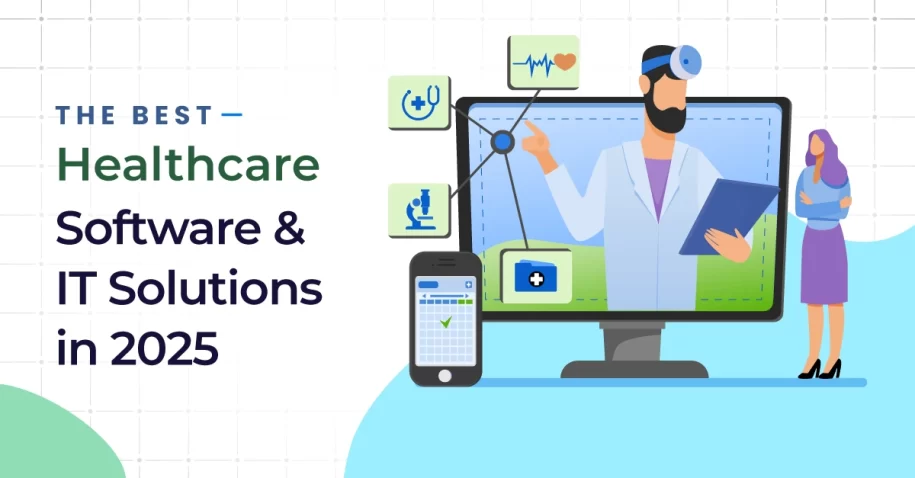
In 2025, healthcare technology is not just advancing,it’s revolutionizing the way care is delivered, documented, and analyzed. From AI-driven EHR systems to HIPAA-compliant cloud solutions, the digital transformation of the healthcare system is driven by an urgent need to improve patient care, ensure HIPAA compliance, and reduce costs. As healthcare providers continue to recover from post-pandemic shifts, digital-first strategies are no longer optional,they are foundational.
With a stronger focus on patient outcomes, predictive analytics, and virtual care, modern healthcare software is empowering hospitals, small clinics, and remote providers alike. Facilities that adopt these innovations are not only streamlining operations but are also enhancing clinical documentation, reducing unauthorized access, and improving patient satisfaction across the board. Let’s dive into the top medical software trends in 2025 and the IT solutions shaping the future of healthcare.
Top Healthcare Software Solutions in 2025
Electronic Health Records (EHR) Systems
The backbone of any modern healthcare facility remains the EHR system. In 2025, AI-driven EHR systems are transforming how patient information is collected, stored, and accessed. These intelligent platforms streamline clinical documentation, automate updates, and support decision-making with real-time alerts and predictive insights.
The best healthcare software 2025 platforms offer a seamless user interface, robust access controls, and interoperability features that promote the secure exchange of protected health information (PHI). EHR software is no longer just a compliance tool,it’s a central pillar in improving patient outcomes and reducing physician burnout.

Telemedicine and Remote Patient Monitoring
The rise of telemedicine platforms 2025 reflects a broader shift toward virtual care and telehealth services. Remote monitoring tools now track vitals, medication adherence, and lifestyle data in real time. Patients, especially in rural or underserved communities, can access care without leaving their homes.
Top telehealth platforms integrate directly with EHRs, offer encrypted communications, and ensure HIPAA compliance. These platforms not only enable remote consultations but also promote ongoing care through automated follow-ups and data-driven insights, contributing to overall patient care enhancement.
AI-Powered Diagnostic Tools
AI tools are redefining diagnostic accuracy. Radiology, pathology, and primary care are benefiting from real-time analytics that detect anomalies faster than traditional methods. These solutions leverage predictive analytics to detect patterns across thousands of patient cases, enhancing early detection and personalizing treatments.
In 2025, the combination of machine learning and natural language processing (NLP) is helping providers interpret medical records and unstructured data with greater speed and precision. AI isn’t replacing clinicians,it’s making them faster, more accurate, and better informed.
Healthcare Customer Relationship Management (CRM) Software
As patient expectations evolve, healthcare facilities are adopting CRM software solutions tailored to the medical industry. These platforms track appointment history, engagement preferences, and communication timelines, creating more personalized and efficient care journeys.
CRM systems now include automated messaging, satisfaction surveys, and educational content delivery, strengthening relationships and improving patient satisfaction while reducing no-shows and missed follow-ups.
Essential IT Solutions for Modern Healthcare Facilities
Cybersecurity Measures in Healthcare
The protection of PHI and the prevention of unauthorized access are critical in today’s interconnected systems. As the threat landscape evolves, hospitals and clinics must prioritize cybersecurity services with multi-layered defenses.
From firewalls and intrusion detection to endpoint protection and ransomware recovery, modern solutions safeguard sensitive data and ensure HIPAA compliance. Partnering with a provider like Q-Tech ensures that you’re equipped with the right strategies to defend against breaches and maintain HIPAA regulations.
Cloud Computing and Data Storage
HIPAA-compliant cloud solutions have become the norm for healthcare providers needing scalable, cost-effective storage. These systems provide secure backup, disaster recovery, and anytime access to health data, ensuring continuity of care across distributed teams.
By leveraging cloud-based platforms, healthcare institutions can reduce on-premise infrastructure costs and support growing data demands from telehealth platforms, imaging systems, and EHRs. Encryption, identity verification, and access controls further ensure secure operations.

Interoperability and Data Integration
Modern healthcare is data-driven. Facilities need systems that talk to each other, which is why interoperability and healthcare data analytics tools are crucial in 2025. Integration between labs, pharmacies, EHRs, and remote devices enhances visibility and reduces administrative friction.
Data integration facilitates population health tracking, supports value-based care models, and enables better planning through predictive analytics. This level of cohesion helps providers see the bigger picture, ensuring patients receive proactive and comprehensive care.
How Q-Tech Inc. Supports Healthcare Providers with IT Solutions
Q-Tech Inc. is at the forefront of enabling healthcare organizations to embrace the future with confidence. Our healthcare IT solutions for hospitals, clinics, and private practices are tailored to address real-world challenges while scaling with your needs.
Whether you’re searching for how to choose healthcare software for small clinics 2025 or looking to secure your infrastructure, our team delivers full-spectrum support,from EHR integrations and cloud migrations to cyber risk assessments and compliance audits.
We help you:
- Implement and optimize EHR software
- Transition to HIPAA-compliant cloud solutions
- Deploy secure telemedicine platforms
- Analyze performance with cutting-edge AI tools
- Safeguard PHI with proactive cybersecurity measures

Conclusion: Preparing for the Future of Healthcare IT
The healthcare industry in 2025 is defined by speed, connectivity, and precision. Embracing the top medical software trends 2025 is no longer just a tech decision,it’s a strategic move to improve patient care, reduce operational inefficiencies, and protect vital data.
Whether you’re implementing a new EHR system, exploring telehealth services, or advancing your analytics capabilities, the right software and IT strategy can transform your facility’s trajectory.
Q-Tech Inc. is here to guide you every step of the way, ensuring that your systems are modern, compliant, and patient-focused. Let’s build a smarter, more efficient future for healthcare,together.