
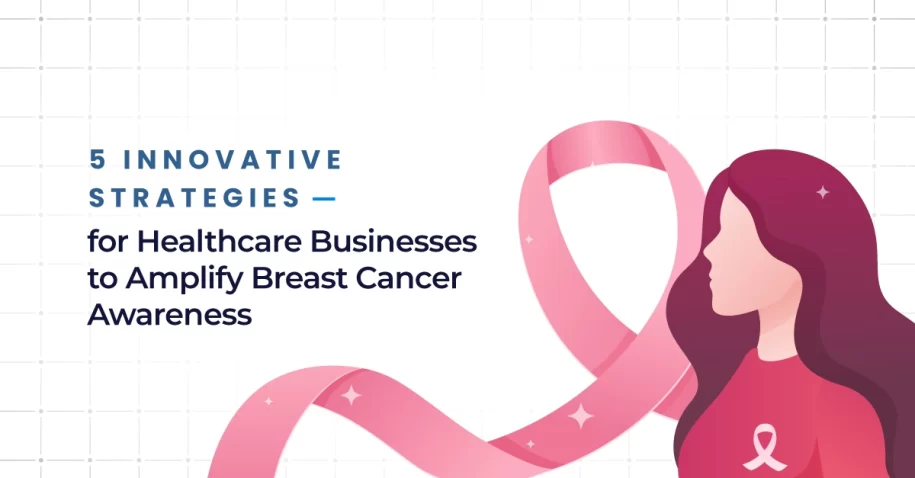
Introduction: Why Breast Cancer Awareness Matters for Healthcare Businesses
Breast cancer awareness is not only a public health issue. It is also a meaningful opportunity for healthcare organizations to educate, support, and connect with the communities they serve. When awareness efforts are planned with care, they can improve patient engagement, strengthen the patient experience, and help businesses build trust while showing that their mission goes beyond services alone.
Understanding Breast Cancer Awareness Campaigns
Strong breast cancer awareness campaigns do more than promote a ribbon or a seasonal message. They guide a target audience toward education, screening, support, and action. The most effective breast cancer awareness strategies combine compassion with strategy, giving healthcare businesses a way to turn marketing efforts into communication that informs people about breast cancer prevention, the risk of breast cancer, and when to seek professional care.
Role of Digital Marketing in Healthcare Awareness
Digital outreach now plays a central role in modern awareness work. A smart healthcare marketing strategy can bring timely information to the right people through websites, email, search, and social media platforms. As digital health campaigns continue to evolve, healthcare businesses that invest in healthcare marketing can create more visible, measurable, and meaningful awareness initiatives that extend far beyond a single event or month.
Breast Cancer Awareness – Digital Strategies for Healthcare
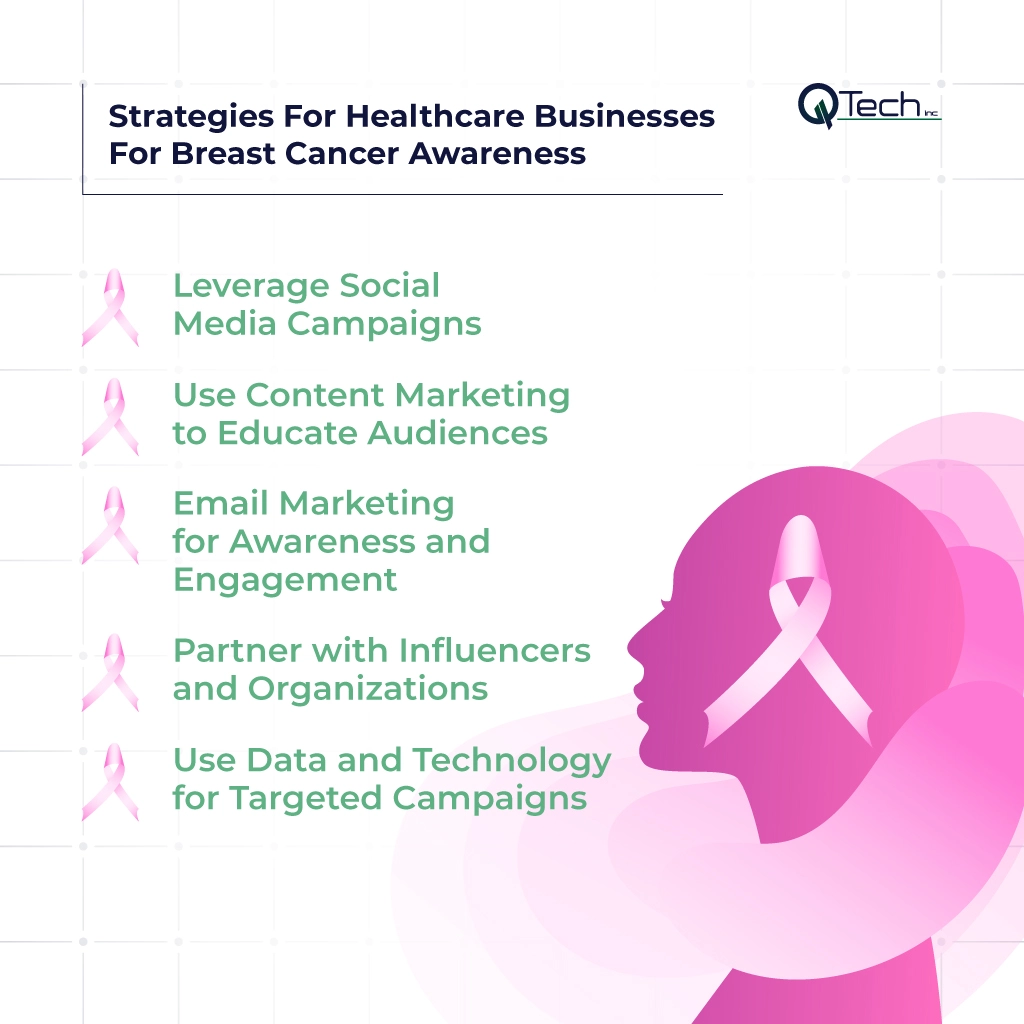
- Strategy #1: Leverage Social Media Campaigns
- Strategy #2: Use Content Marketing to Educate Audiences
- Strategy #3: Email Marketing for Awareness and Engagement
- Strategy #4: Partner with Influencers and Organizations
- Strategy #5: Use Data and Technology for Targeted Campaigns
Strategy #1: Leverage Social Media Campaigns
A well-planned healthcare social media strategy helps healthcare businesses stay present where audiences already spend time. Social media in healthcare can be used to share educational posts, screening reminders, myth-versus-fact content, and local event promotions. When brands have already leveraged social media for patient communication, they are better positioned to launch breast cancer awareness campaigns that feel timely, human, and community-focused.
Awareness Hashtags and Campaign Trends
Hashtags remain useful when they are tied to a clear message and consistent campaign theme. They can help organize conversations, improve visibility, and boost engagement rates across multiple social media platforms. The strongest marketing campaigns do not chase trends blindly. Instead, they use campaign trends to support education, encourage screening conversations, and keep a clear focus on the needs and values of the intended target audience.
Video Content and Patient Stories
Video is one of the most effective ways to raise awareness. Short interviews, physician messages, survivor journeys, and patient stories can create an emotional connection while still delivering practical education. When used responsibly, video can explain topics such as breast tissue changes, early warning signs, and patient support resources in a way that feels personal, accessible, and memorable for both patients and their families.
Strategy #2: Use Content Marketing to Educate Audiences
Content marketing gives healthcare businesses a durable way to keep awareness active all year. Instead of limiting communication to one campaign period, brands can publish useful resources that answer real questions and support informed decisions. This makes content one of the most reliable breast cancer awareness strategies because it creates long-term value while supporting search visibility, trust, and patient education at every stage of the journey.
Blogs, Guides, and Educational Resources
Educational blogs, downloadable guides, FAQ pages, and resource hubs can help simplify complex topics for the public. Content should explain screening timelines, risk factors, and questions patients may want to ask healthcare professionals. When written clearly, this type of content improves the patient experience and shows that healthcare organizations are committed to helping people understand both breast cancer prevention and the broader context of personal health decisions.
SEO for Healthcare Awareness Campaigns
Search engine optimization helps raise awareness of content and reach people when they are actively looking for answers. A strong healthcare marketing strategy should include keyword planning, internal linking, location relevance, and service page support. When a business aligns SEO with awareness goals, it can increase visibility for breast cancer awareness campaigns, and attract qualified traffic.
Strategy #3: Email Marketing for Awareness and Engagement
Email remains one of the most effective channels for direct communication. It gives healthcare businesses a controlled, permission-based way to share educational resources, reminders, and event invitations. Email marketing for awareness works especially well because it allows organizations to reach patients, caregivers, and community members with thoughtful messages that are timely, useful, and easy to act on without depending on changing platform algorithms.
Personalized Awareness Campaign Emails
Personalization makes awareness emails more relevant and more likely to be opened. Businesses can tailor messages by patient interests, service history, or local community involvement while still respecting privacy and compliance standards. This improves engagement rates and makes email marketing for awareness feel supportive rather than generic. Personalized emails can promote screenings, educational content, donation drives, or local awareness events with stronger response potential.
Automation for Patient Engagement
Automation helps healthcare businesses stay consistent without overloading internal teams. Automated workflows can send awareness series, follow-up messages, and event reminders based on user actions. This kind of patient engagement system improves continuity and helps organizations maintain momentum across longer campaigns. It also ensures that healthcare professionals and marketing teams can coordinate communications more efficiently while keeping messaging clear and timely.
Strategy #4: Partner with Influencers and Organizations
Strategic partnerships can extend a campaign’s reach and credibility. By working with trusted voices and aligned organizations, healthcare businesses can connect with communities that may not already follow their brand. Partnership-based marketing efforts are often more effective because they combine shared audiences, stronger storytelling, and added authority, making influencer marketing campaigns and nonprofit collaborations valuable tools within broader awareness planning.
Healthcare Influencers and Advocates
Healthcare businesses should choose partners carefully. Social media influencers, medical advocates, and patient educators can bring important visibility, but credibility matters more than follower count alone. Sometimes macro influencers help create a broad reach, while smaller advocates drive stronger trust and conversation quality. When chosen well, influencer marketing works because it pairs relatable messaging with informed voices, making influencer marketing a useful part of responsible awareness communication.
Collaborations with Nonprofits
Partnerships with nonprofits can make campaigns more grounded and mission-driven. Co-hosted events, shared resources, and fundraising initiatives often strengthen both visibility and community goodwill. These collaborations help healthcare organizations show leadership while supporting real causes. They also make it easier to build trust, create measurable community impact, and demonstrate that marketing campaigns are connected to service, education, and support rather than promotion alone.
Strategy #5: Use Data and Technology for Targeted Campaigns
Technology allows healthcare businesses to move from broad messaging to smarter, more targeted outreach. Data can reveal which content performs best, which audiences respond most often, and where campaigns need improvement.
When used ethically, this approach makes digital health campaigns more efficient and more relevant. That is why the phrase 5 innovative tech-driven strategies for healthcare businesses to amplify breast cancer awareness is not just a headline. It reflects how modern awareness is built.
AI and Data Analytics in Healthcare Marketing
Artificial intelligence and analytics tools can help healthcare marketing teams track patterns, content performance, and audience behavior across channels. These tools can identify which messages improve engagement, which email sequences perform best, and which topics deserve more attention. Used carefully, AI supports better planning, sharper execution, and stronger reporting, helping healthcare organizations make more informed decisions about ongoing awareness and outreach strategies.
Personalization for Better Outreach
Personalization turns data into a better communication experience. It allows businesses to segment audiences and deliver messages that match age groups, interests, care concerns, and local needs. Better outreach does not mean more messages.
It means more relevant ones. When done well, personalization strengthens patient engagement, improves response quality, and helps healthcare organizations deliver awareness content in a way that feels practical, respectful, and useful.
Benefits of Breast Cancer Awareness Campaigns for Businesses
Awareness campaigns create value beyond visibility. They help healthcare businesses align marketing with mission, strengthen community relationships, and position themselves as trusted sources of guidance. Over time, strong campaigns can support reputation growth, better audience loyalty, and stronger performance across future marketing efforts. They also show that healthcare organizations understand how communication can contribute to both business health and public well-being.
Brand Trust and Authority
When businesses provide accurate, compassionate, and consistent education, they build trust in ways that advertising alone cannot achieve. Awareness content can position a healthcare brand as a reliable source for information, guidance, and support. That trust becomes especially important in healthcare, where decisions are personal and emotional. Strong authority grows when marketing efforts consistently reflect expertise, empathy, and a genuine commitment to community care.
Community Engagement
Community engagement is one of the clearest outcomes of a thoughtful awareness strategy. Educational events, screenings, partnerships, and digital content all give people ways to interact with a brand in meaningful ways. These interactions can deepen loyalty and create stronger community ties. Over time, healthcare organizations that lead with awareness often become recognized not only for services but also for leadership, advocacy, and social responsibility.
Conclusion: How Q-Tech Inc. Can Help You Build Impactful Awareness Campaigns
Healthcare businesses need more than good intentions to create meaningful awareness. They need a connected strategy that brings together content, email, search, social, partnerships, and technology. Q-Tech Inc. helps organizations turn those moving parts into structured, effective campaigns that educate audiences and support real engagement. When awareness is backed by smart execution, healthcare businesses can amplify their message, strengthen their digital presence, and create lasting impact in the communities they serve.
FAQ
Q: What digital marketing strategies work best for breast cancer awareness campaigns?
A: The most effective digital marketing strategies for breast cancer awareness campaigns are:
(1) social media campaigns using pink ribbon branding and patient stories,
(2) email marketing with segmented educational sequences,
(3) SEO-optimised blog content covering early detection and local screening resources,
(4) short-form video featuring survivor testimonials, and
(5) geo-targeted Google and Meta ads running throughout October.
Combining organic and paid channels consistently outperforms single-channel approaches.
Q: How do I measure the success of a breast cancer awareness campaign?
A: Measure the success of a breast cancer awareness campaign using these key performance indicators: social media reach and engagement rate, email open and click-through rates, website traffic to awareness-related pages, new patient appointment bookings during the campaign period, event attendance numbers, press mentions and partner shares, and total funds raised if a fundraising component is included. Set baseline benchmarks before the campaign launches so results can be compared meaningfully.
Q: What content should healthcare businesses create for breast cancer awareness month?
A: Healthcare businesses should create a mix of educational and emotional content during breast cancer awareness month: blog posts about early detection, risk factors, and screening guidelines; short videos featuring staff or survivor testimonials; downloadable infographics with breast cancer statistics; social media posts using the pink ribbon and monthly calendar themes; email newsletters with local screening resources and appointment links; and behind-the-scenes content showing the practice’s involvement in community fundraising or events.
Q: How can small healthcare practices participate in breast cancer awareness on a limited budget?
A: Small healthcare practices can participate in breast cancer awareness on a limited budget by: posting consistent organic social media content throughout October at no cost; partnering with local nonprofits to share resources and co-promote events; creating one high-quality educational blog post optimised for local search; sending a segmented awareness email to their existing patient list; adding pink ribbon branding to their website and email signatures; and encouraging staff to wear awareness ribbons or share personal stories on practice social media accounts.
Q: What role does SEO play in breast cancer awareness marketing for healthcare businesses?
A: SEO plays a critical role in making breast cancer awareness content discoverable beyond social media. Optimising blog posts and service pages for keywords like ‘breast cancer screening near me’, ‘mammogram appointment [city]’, and ‘breast cancer awareness tips’ helps healthcare businesses rank in local search results when patients are actively looking for information. Strong local SEO — including a fully optimised Google Business Profile — ensures the practice appears prominently for health-related queries in its geographic area during peak awareness months.
Q: How do I build a breast cancer awareness email campaign step by step?
A: To build a breast cancer awareness email campaign:
(1) Segment your list by demographics relevant to breast cancer risk (women 40+, patients with family history).
(2) Create a 4–6 email sequence to run throughout October.
(3) Email 1: Why early detection saves lives.
(4) Email 2: How to perform a self-examination.
(5) Email 3: Invite to a free screening event or appointment.
(6) Email 4: Survivor story and community impact.
(7) Email 5: Fundraising CTA and thank-you.
Track open rates and bookings as primary KPIs.